The Burnout Epidemic and a 5000-Year-Old Answer

India's Gen Z workforce is facing a burnout crisis unlike any seen before. With 76% of young professionals reporting chronic stress (Deloitte 2025 Wellbeing Survey), an unexpected solution is gaining ground: the Bhagavad Gita.
Why the Gita Resonates With Young India
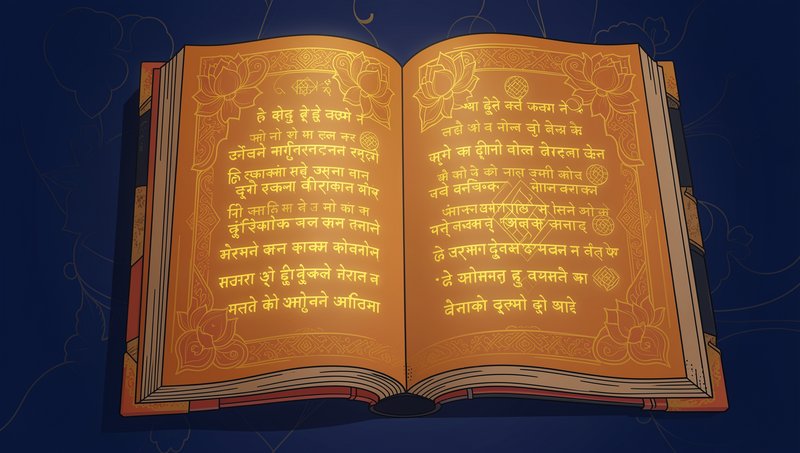
The Gita's core teaching — act without attachment to outcomes — directly addresses the performance anxiety that defines modern work culture. For a generation raised on metrics, likes, and quarterly reviews, Krishna's counsel reads like a manual for psychological survival.
The verse most cited: “You have a right to perform your prescribed duties, but you are not entitled to the fruits of your actions.” (BG 2.47). This is a prescription for sustained effort without the cortisol spike of outcome-dependency.
Three Gita Principles Gaining Traction Among Young Professionals

1. Nishkama Karma (Desireless Action): Performing one's role with full commitment while releasing attachment to results. Startup founders and IIT graduates apply this to reduce decision paralysis and fear of failure.
2. Sthitaprajna (Steady Wisdom): The Gita's model of the emotionally stable leader — unshaken by praise or criticism. Chapter 2 describes this in 20 verses that read like modern emotional intelligence frameworks.
3. Svadharma (One's Own Path): Rather than comparing yourself to peers, the Gita insists on excellence within your own unique role. In a social-media age of constant comparison, this is radical advice.
From Campus to Boardroom

IIM Ahmedabad and IIT Bombay now include Gita-based leadership modules in executive programmes. Corporate wellness platforms like Mindhouse and YourDOST report a 40% increase in users engaging with Vedic philosophy content since 2024. This is not a trend — it is a recalibration.
The Dibyendu Choudhury Perspective

As someone who has studied the Gita's application to modern leadership for over two decades, I see this generational turn as deeply healthy. The Gita does not promise a stress-free life. It promises a framework for engaging with difficulty without being destroyed by it.
Practical Steps to Begin

Start with Chapter 2, verses 47–72. Read one verse daily. Do not seek interpretation immediately — let the words sit. Then observe your own reactions at work through the lens of attachment versus action. The Gita's power is not in reading — it is in applying.
Ready to Go Further?
Explore my books on the Bhagavad-gita, leadership, and ancient wisdom — available on Amazon India.
Get the Book on AmazonPublished 9 June 2026 by Dibyendu Choudhury — author, leadership strategist, and MSME advisor.
Go deeper
Want the full playbook on this? Read The Steady Sage (Gita 2.47-72) — a companion e-book from the library.