Dear Inner Circle,
Every fortnight I set aside the noise and write you one honest letter — not a newsletter, not a promotional email, but a genuine attempt to think through something together. This first edition is about foundation: why India's MSME sector is the most consequential economic story of our generation, and why the Bhagavad Gita's first strategic lesson should be the operating system every entrepreneur installs before they build anything else.
Two things, one letter. Let us begin.
India has 63 million registered MSMEs employing over 111 million people. Together they contribute approximately 30% of GDP and 45% of exports. The MUDRA Yojana alone has disbursed over ₹27 lakh crore since 2015 — making it one of the largest micro-credit programmes in human history. Yet most entrepreneurs interact with this ecosystem as passive recipients, waiting for schemes to find them rather than actively navigating what is available.
The foundational MSME alphabet is not complex. It has four pillars: Udyam Registration (the prerequisite for every benefit), MUDRA (three tiers — Shishu, Kishore, Tarun — covering ₹50,000 to ₹50 lakh in collateral-free credit), CGTMSE (the credit guarantee scheme that removes the lender's risk for loans up to ₹5 crore), and TReDS (the invoice discounting platform that converts your trade receivables into immediate liquidity). Most MSMEs actively use only one of these four. That gap is costing them millions of rupees in available but unclaimed support.
"The MSME sector is not a charity constituency. It is a strategic pillar. Policy support is not welfare — it is a calculated investment in India's structural employment architecture."
— Dr. Dibyendu Choudhury, MSME Policy Analysis Series, 2026The 2026 policy landscape has further expanded this architecture. Enhanced CGTMSE limits, revised MUDRA thresholds, and the new AI-assisted credit underwriting frameworks from SIDBI all represent structural upgrades. But schemes without awareness are policy without impact. That is what this newsletter exists to correct — one edition at a time.
Read MSME Policy Analysis →Bhagavad Gita, Chapter 2, Verse 47: karmaṇy evādhikāras te mā phaleṣu kadācana — You have a right to perform your prescribed duties, but you are not entitled to the fruits of your actions.
This is not a passive doctrine. It is the most demanding framework for professional excellence ever articulated. It asks you to separate the quality of your work from the outcome it produces — not because outcomes don't matter, but because attachment to outcomes is the primary source of cognitive distortion in decision-making.
When you are emotionally invested in a specific result, you unconsciously distort your analysis of the situation to favour that result. You see confirming evidence and dismiss disconfirming evidence. You delay honest conversations because they threaten the outcome you want. You make short-term decisions to protect projections you should abandon. Karma Yoga is the antidote to all of this — a practice of returning, repeatedly, to the quality of action rather than the fear of outcome.
The entrepreneur who masters process over outcome does not become less ambitious. They become less distorted. That is the competitive advantage the Gita encodes.
— Bhagavad Gita 2.47, applied to entrepreneurshipIn every edition of The Inner Circle, I will bring you one verse, one insight, and one practical application. Not as a spiritual practice — though it is that too — but as a genuine toolkit for navigating the uncertainty that every Indian entrepreneur faces in 2026 and beyond.
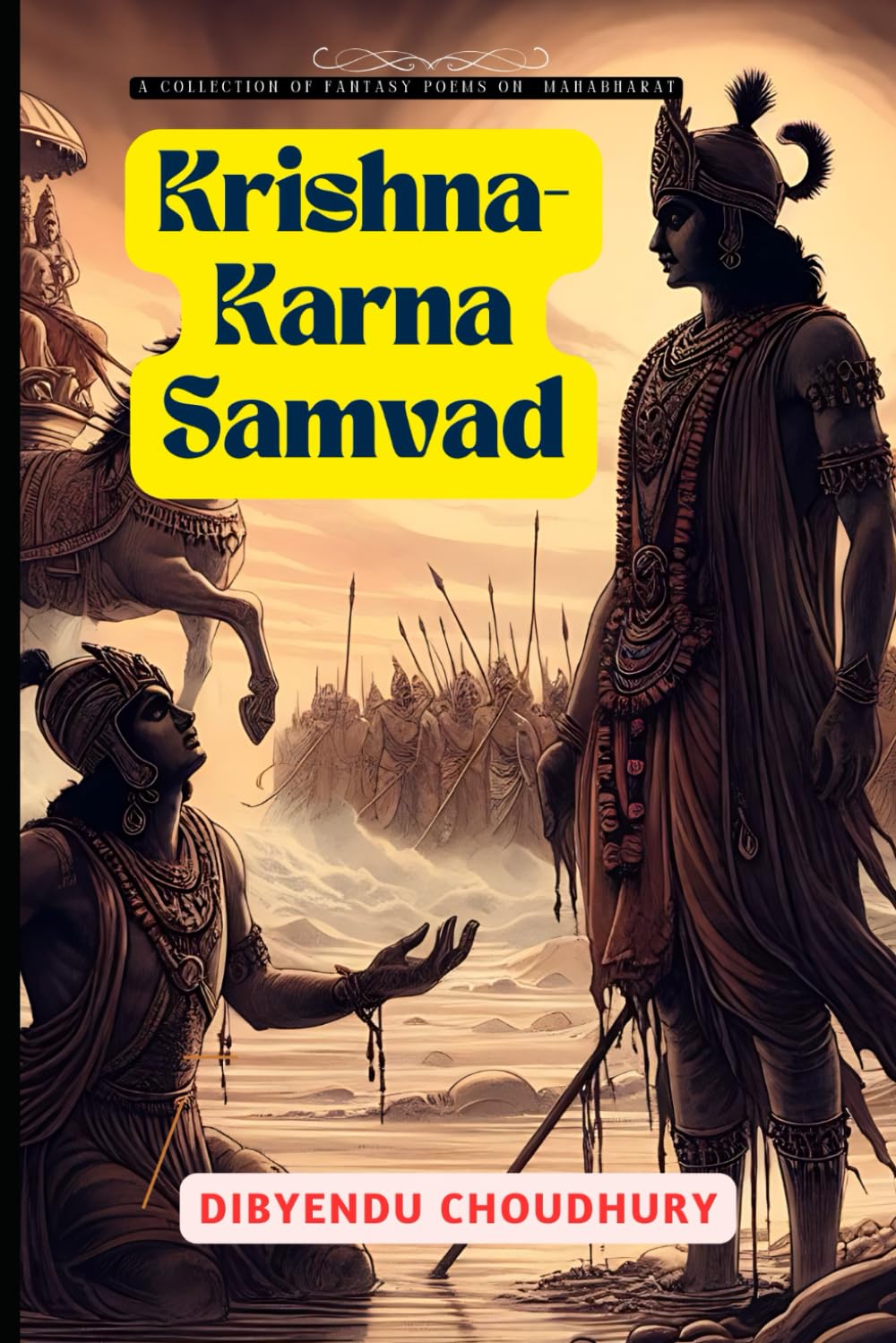
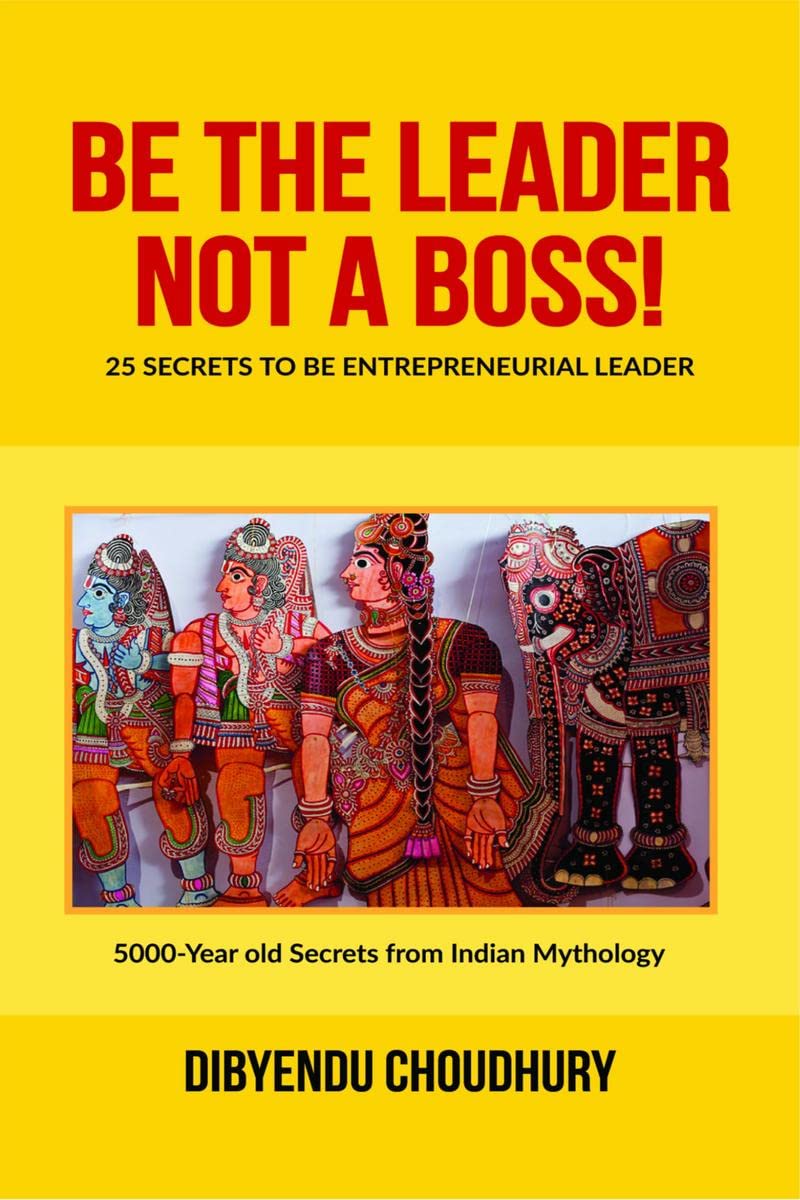
Explore the Gita Essays →Each edition I highlight titles from my catalogue that connect with the themes we have explored. These are not endorsements — they are conversations I have been having in print for years. Pick the one whose title unsettles you most.
All titles on Amazon India · Browse full catalogue →
Until the next edition — read slowly, act deliberately, and build with dharma.
Dr. Dibyendu Choudhury
Author · MSME Specialist · Hyderabad · dib@dibyenduchoudhury.com
MSME policy, Vedic wisdom, AI tools — weekly by Dr. Dibyendu Choudhury. Unsubscribe anytime.