← All Editions
Edition #14 · June 2026
Dear Inner Circle,
June brings a particular kind of clarity — the year is halfway done, the monsoon resets the landscape, and it is the right time to take stock. This edition looks at India’s credit reform story, the mythology of silence, and a carefully chosen set of reads from my bookshelf.
The Reserve Bank of India’s revised priority-sector lending norms, effective April 2026, represent the most substantive shift in MSME credit architecture in a decade. The change is not merely numerical — it is structural. For the first time, lenders are being incentivised to look beyond balance sheets and into the supply-chain health of their MSME borrowers.
Three structural changes to understand:
Flow-Based Underwriting — Banks can now count verified GST invoices and TReDS transaction history as primary collateral evidence. For an MSME with 18 months of clean invoice history, this opens doors that have been shut for years.
Cluster-Level Risk Assessment — SIDBI’s new framework allows risk to be assessed at the cluster level, not only the firm level. An MSME in a high-performing industrial cluster now carries a lower risk premium by default.
Digital Footprint as Creditworthiness — GST compliance, e-invoice adoption, and UPI transaction volume are now formal inputs into credit scoring under the revised OCEN framework. Every compliant digital transaction you make is building your invisible credit score.
If you have 12–18 months of clean GST filing history, request a formal credit review from your banker using the new flow-based underwriting criteria. Most MSME owners are unaware that this option now exists.
The Mahabharata is filled with battles won by weapons. But the war’s most decisive moments were determined by silence. Vidura’s counsel, ignored at Hastinapur. Draupadi’s question, which no one in the sabha could answer. Karna’s silence about his lineage, which sealed every outcome that followed.
In each case, the turning point was not what was said — it was what was withheld, and when. The Mahabharata is, at its deepest layer, a treatise on the right use of speech.
“One who speaks without being asked, one who speaks out of turn, one who speaks too much, and one who speaks without knowing — all four become objects of contempt.”
— Mahabharata, Shanti ParvaFor modern professionals, the lesson is this: In every meeting, in every negotiation, in every family council — the person who speaks last, and only when they have something to add, holds more authority than the one who fills the silence. Leadership is not the monopoly of speech. It is the mastery of timing.
My writing on mythology begins from this principle: that the ancient texts are not historical artefacts. They are operating manuals for human situations that have not changed in five thousand years.
Explore Mythology Essays →A rotating selection — these three titles are featured this edition. Next edition brings a completely new set.

The pandemic exposed fault lines. This book traces the trajectory from COVID chaos to potential geopolitical World War III.
Read on Amazon →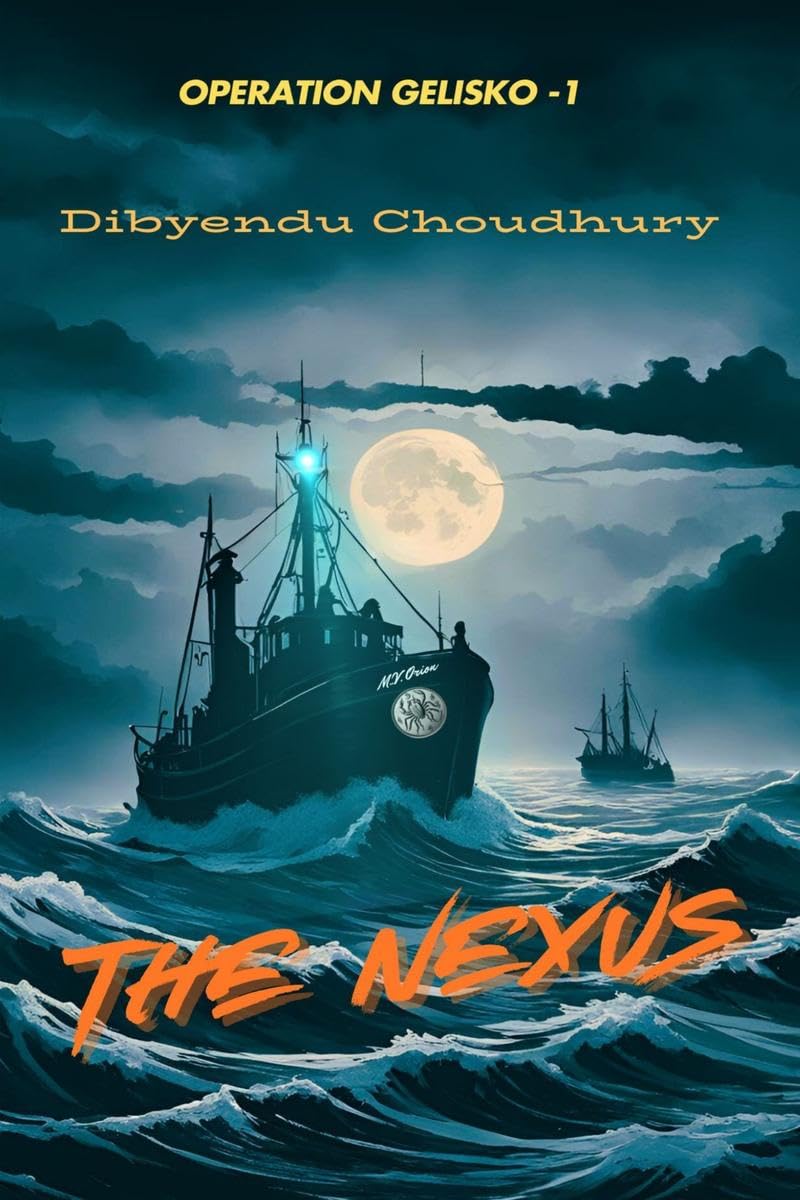
A port. Secrets. Shadows. The first book in the Gelisko universe — where intelligence meets mythology at the edge of the sea.
Read on Amazon →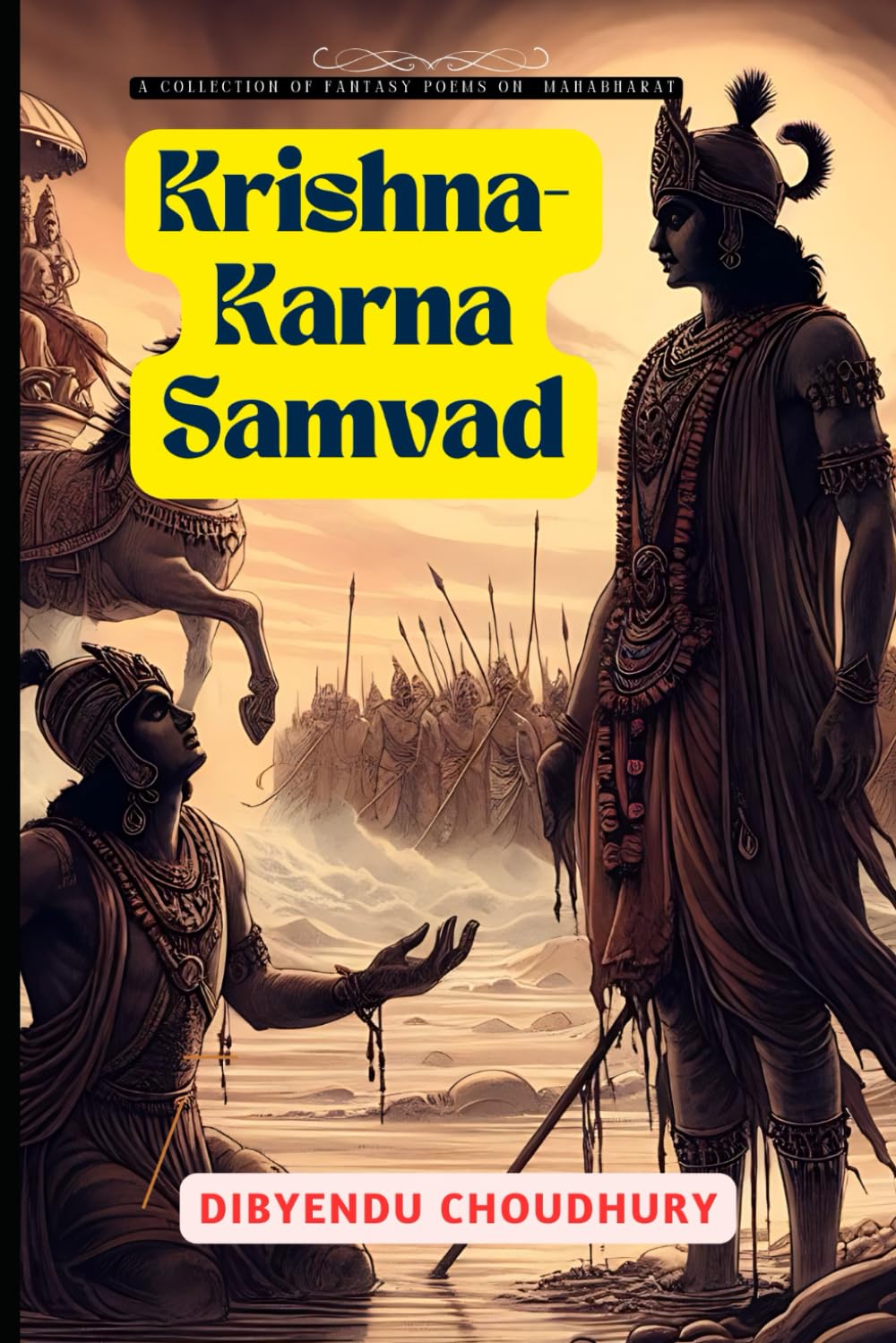
The conversations between Krishna and Karna that the Mahabharata never recorded — imagined in verse. Kindle and paperback.
Read on Amazon →MSME policy, Vedic wisdom, AI insights & book updates — weekly by Dr. Dibyendu Choudhury. Unsubscribe anytime.
🎁 Free gift: 20 Gita Lessons PDF on confirmation