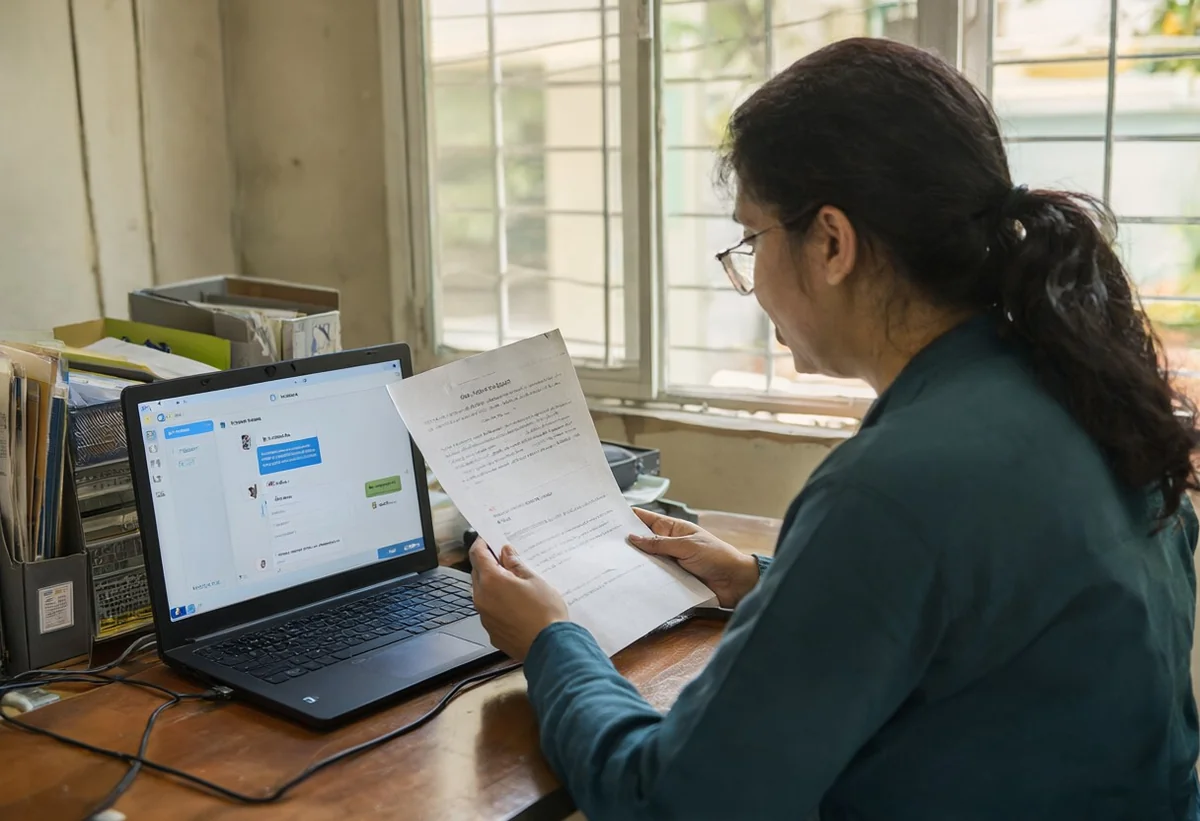
An AI writing assistant can turn a rough note into a polished email in a few seconds. The result reads smoothly, sounds confident and arrives with perfect grammar. That is exactly what makes it risky. A draft that looks finished invites us to treat it as finished, and the moment we stop reading closely is the moment a small error travels to a customer with all the authority of a well-written page.
This essay offers a short routine, five minutes at most, for anything an AI tool has written on your behalf before it leaves your hands. It is written for owners and managers of small businesses who use these tools daily and do not have a compliance team to catch what slips through. The routine has five checks, always in the same order, so that it becomes a habit rather than an occasional effort.
Why a fluent draft deserves more caution, not less
When a human assistant makes a mistake, it often looks like a mistake: a clumsy sentence, a missing word, a hesitant tone. We notice, and we correct. An AI tool errs differently. Its mistakes are written in the same smooth, assured voice as its correct statements. A wrong date, an invented clause or a promise nobody authorised looks no different on the screen from a right one.
The tool also has no stake in your relationship with the customer. It does not know that this client has been with you for eleven years, that a late delivery last spring strained things, or that you would never offer a discount in this tone. It writes from patterns, not from your history. Your five minutes are what restore that history to the message.
Check one: the facts
Read the draft once with a single question in mind: is every statement of fact true? Look for claims about your product, your process, your timelines and your policies. If the tool wrote that you offer a service you do not, or described a warranty in terms you never set, correct it now. Anything that reads as a general claim about the world, such as a rule, a standard or a market trend, should be treated with suspicion unless you know it to be true. If you cannot verify a claim in the time you have, remove it. A shorter, true message always serves you better than a longer one with a doubtful sentence in it.

Check two: the numbers
Go back through the draft and read only the numbers: prices, quantities, dates, percentages, phone numbers, account details, addresses. Compare each against the source document, not against your memory. Numbers are where an AI draft most often goes wrong without seeming to, because a figure that is plausible is rarely questioned. If the message contains a total, add it up yourself. If it quotes a date, check the calendar for the day of the week. A single transposed digit in a bank detail or a wrongly stated delivery date can cost far more than the minutes you spent on the whole routine.
Check three: the names
Read the names next: the customer's name, the company, the product, the person you are copying, the place. Check the spelling and the form of address. A message that addresses a long-standing customer by a wrong title, or confuses two clients with similar names, does damage out of all proportion to the mistake. This is also the moment to confirm that no one else's information has found its way into the draft, especially if you pasted earlier correspondence into the tool as background.
Check four: the tone
Now read the draft aloud, quietly, as though you were the customer. Does it sound like you? Does it match the relationship? AI tools tend toward an eager, slightly formal friendliness that can feel hollow in a message to someone you know well, and overly cheerful in a message about a problem. If a customer has complained, the draft should sound like a person who has heard the complaint, not like a script. Trim the stock phrases and add one sentence in your own voice. That single sentence often changes how the whole message lands.
Check five: the promises
Finally, read for commitments. Every line that says we will, we guarantee, we can deliver by or you will receive is a promise your business may be held to. AI tools are generous with promises because they are free to the tool. Ask of each one: can we keep this, did we authorise it, and would I say it to the customer face to face? Remove or soften anything that does not pass. This is the check that most directly protects the business, and the one most often skipped because the draft sounds so reasonable.
A worked example
Imagine you run a small print shop and ask a tool to draft a reply to a customer who wants three hundred wedding invitations by Friday. The draft thanks him warmly, confirms the quantity, quotes a price, promises delivery on Friday morning and offers a small discount for the next order. It reads beautifully.
Run the checks. The facts: you do not actually offer gold foil on that paper stock, though the draft mentions it. The numbers: the price is for two hundred and fifty, not three hundred, and Friday is correct but your courier does not deliver before noon. The names: the groom's family name is spelt differently in the customer's own message. The tone: the draft sounds like an advertisement for a man who is anxious about his daughter's wedding. The promises: you never authorised the discount. Five minutes, five corrections, and a message that would have cost you a customer is now one that keeps him. None of the errors was dramatic, which is exactly why none would have been noticed.
When the stakes are high, slow down further
The five-minute routine suits everyday messages. For anything with a legal, financial or reputational edge, such as a contract term, a refusal, a public statement or a reply to a formal notice, treat the tool's draft as raw material only. Have a second person read it, or put it away for an hour and read it again with fresh eyes. Speed is the tool's gift, but it is not always your friend.
What not to paste in the first place
The best correction happens before the draft exists. Be careful about what you give the tool to work with. Customer account details, bank information, passwords, private health or personal matters and anything covered by a confidentiality promise should stay out of the prompt. If you need the tool's help with a sensitive letter, describe the situation in general terms and add the specifics yourself afterwards. The rule is simple: if you would not read it aloud in a public place, do not paste it into a tool whose handling of it you cannot inspect.
Make it a habit with a card on the desk
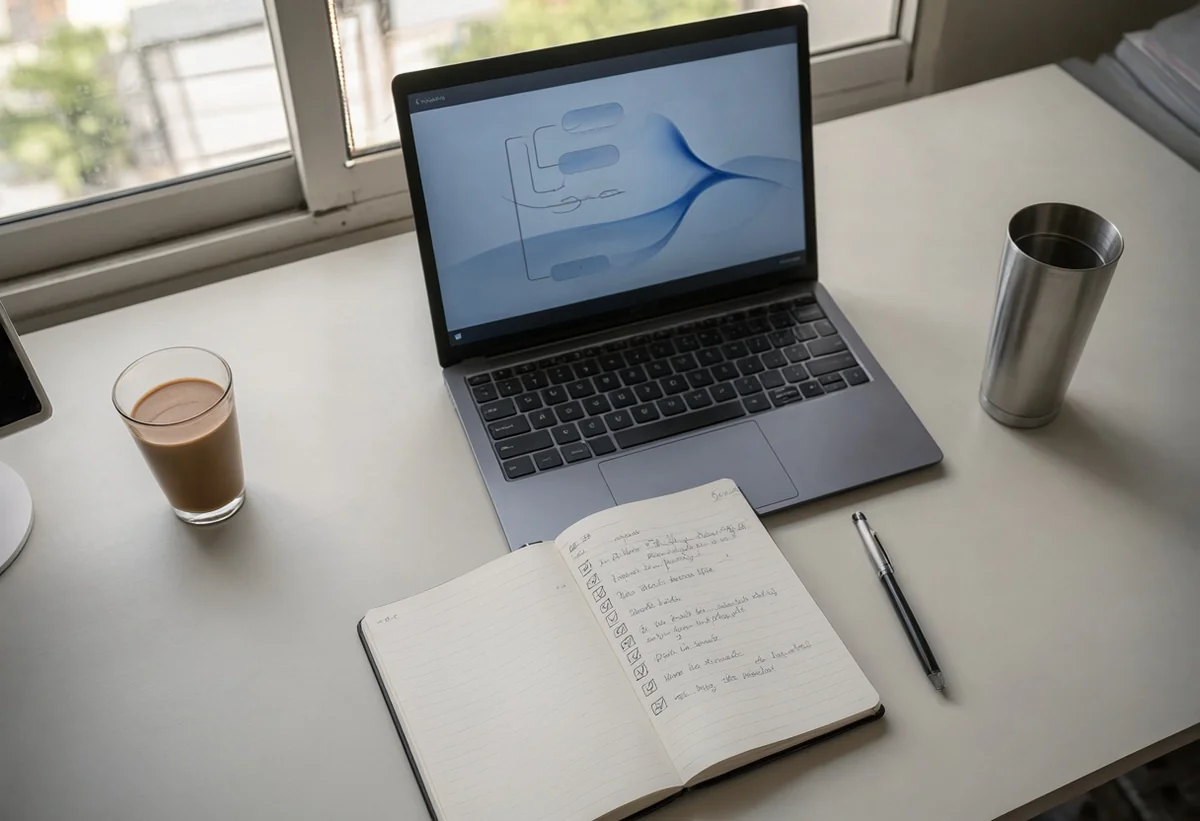
The routine only works if it is routine. Write the five words on a card and keep it by the keyboard: facts, numbers, names, tone, promises. For the first month, tick them off on paper for each customer message you send. After that, the sequence will run almost by itself in the mind. If you have staff who use these tools, give them the same card and make clear that the person who presses send owns the message, whoever or whatever drafted it.
Used with this discipline, an AI tool is a remarkable help: it saves the hour of the blank page and leaves you with the five minutes that matter. Used without it, it saves the hour and spends it again later, in repair. This week, take the next three AI-assisted messages you send and run all five checks on each. Note down what you changed, and you will know precisely where your own tool needs watching.
📬 Join 49,000+ Indian Professionals
The Inner Circle newsletter delivers curated MSME intelligence, leadership wisdom, and strategic insights every week — completely free. Plus receive the 20 Gita Lessons PDF as a welcome gift.
Subscribe Free →Ready to Go Further?
Is your MSME AI-ready? I help Indian businesses understand and deploy practical AI workflows — from automation to decision intelligence. Book a focused strategy session.
Book a Digital Strategy CallPublished 3 November 2026 · dibyenduchoudhury.com