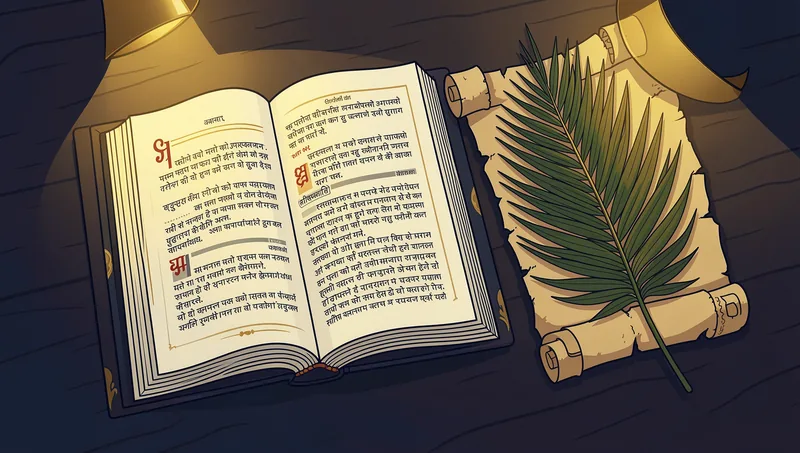
Every human being lives in the shadow of a fact they spend considerable energy not thinking about: this body will die. Modern culture excels at building distractions from this reality. Entertainment, ambition, accumulation, social media — all of them serve, among other functions, to keep the awareness of death at the edge of consciousness rather than at its centre. The Bhagavad-gītā places death at the centre deliberately. Kṛṣṇa’s first major teaching to Arjuna is about the immortality of the soul. He begins there because everything else depends on whether you understand this.
The Teaching That Answers the Fear of Death
Arjuna’s crisis on the battlefield of Kurukshetra was a crisis of misidentification. He looked at the warriors arrayed against him and saw his teachers, his grandfather, his cousins — people he loved. And he concluded that killing them would be the destruction of those beloved people. Kṛṣṇa corrected this at the root. Those people — the actual persons, the souls — cannot be killed. What Arjuna saw in those bodies were temporary vehicles. The passengers in those vehicles — the ātmās — were eternal, unborn, and indestructible. This is not callousness. It is clarity. Prabhupāda taught that grief over death is appropriate when it arises from love, but that it becomes spiritually dangerous when it causes the soul to forget the actual nature of what it is grieving for. Arjuna was grieving for bodies, not for persons. Kṛṣṇa was correcting that confusion. The same correction is available to every soul that has experienced loss.
dehīno ’smin yathā dehe kaumāraṃ yauvanaṃ jarā tathā dehāntara-prāptir dhīras tatra na muhyati
— Bhagavad-gītā 2.13
Translation: As the embodied soul continuously passes, in this body, from boyhood to youth to old age, the soul similarly passes into another body at death. A sober person is not bewildered by such a change.
Purport: Kṛṣṇa uses an example from ordinary experience to establish an extraordinary truth. You have already passed through many bodies in this life — the infant’s body, the child’s body, the adolescent’s body. In each case, the body changed while you — the experiencing self — remained. Death is simply the most radical version of this change. The soul that understands this — the dhīra, the sober one — is not shaken by it. Not because they are cold, but because they are clear.
Transmigration: What Actually Happens When the Body Dies
Transmigration of the soul — the passage of the ātmā from one body to another at death — is described throughout the Śrīmad-Bhāgavatam and confirmed in the Bhagavad-gītā. The soul travels to its next body in accordance with the consciousness developed during the current life. This is the mechanism of karma: not punishment, but consequence. The consciousness shaped by a lifetime of particular desires and actions naturally gravitates toward a body in which those desires can be further pursued or their consequences experienced. The soul that has cultivated Kṛṣṇa consciousness throughout life, however, is freed from this mechanical process. At death, it does not seek a new material body. It goes to Kṛṣṇa. This is the promise of BG 4.9: one who knows Kṛṣṇa’s divine nature does not take birth again in the material world but attains the eternal abode.
“A devotee is always thinking: I am going back to Kṛṣṇa. This thought — maintained through life — is what meets you at death. Prepare the consciousness in life. Death will only reveal what was there.”
Why the Bhagavad-gītā Begins on a Battlefield
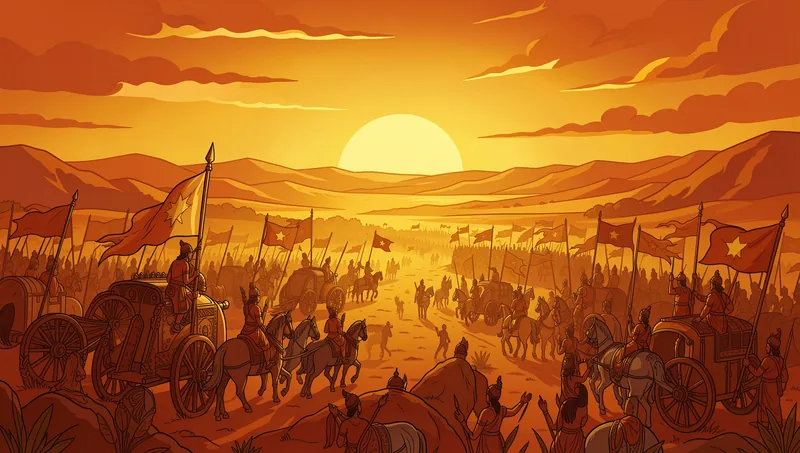
The Bhagavad-gītā begins on a battlefield for a reason. Prabhupāda pointed out that Kṛṣṇa could have delivered this knowledge anywhere — in a garden, in a palace, in an āśrama. He chose a battlefield immediately before the most devastating war of the age. Why? Because the context of death creates the urgency that makes the teaching receivable. Human beings, left to comfort, rarely seek the deepest knowledge. It is the confrontation with mortality that opens the soul to asking the questions that matter. This is why Prabhupāda encouraged his disciples to be conscious of death — not morbidly, but honestly. The soul that remembers it will die is more likely to use its time well. The soul that lives as though it is permanent will waste the very opportunity this birth represents.
na jāyate mriyate vā kadācin nāyaṃ bhūtvā bhavitā vā na bhūyaḥ ajo nityaḥ śāśvato ’yaṃ purāṇo na hanyate hanyamāne śarīre
— Bhagavad-gītā 2.20
Translation: For the soul there is never birth nor death at any time. It has not come into being, does not come into being, and will not come into being. It is unborn, eternal, ever-existing, and primeval. It is not slain when the body is slain.
Purport: This verse is the answer to every fear of death that a human being can have. Not a consolation — a fact. The soul is not born when the body is born. It is not destroyed when the body is destroyed. The fear of death is the fear of the body-identified self losing its identity. But the ātmā does not lose its identity. It is identity itself, unchanged by any physical event. When this is truly understood — not merely believed, but known — the fear of death dissolves. What remains is the question: what will this deathless soul do with the time available in this body?
Preparing for Death in Every Moment of Life
Preparing for death, in Prabhupāda’s teaching, means preparing the consciousness. The practices of bhakti — chanting, remembering Kṛṣṇa, serving, reading the śāstra — are precisely the practices that build a consciousness oriented toward Kṛṣṇa. A consciousness built around Kṛṣṇa throughout life will naturally turn toward Kṛṣṇa at death. A consciousness built around material attachments — family, money, status — will naturally turn toward those things at death, and seek another body in which to continue pursuing them. The choice is being made now, in every moment, by the quality of what you think about and what you give your love to. Death merely reveals the choice that life has been making all along.
Do not be afraid of death. Be thoughtful about life. The ātmā is eternal — Kṛṣṇa has said so, and His word is the supreme authority. What is not eternal is the opportunity this particular birth provides. Use it to build Kṛṣṇa consciousness. Use it to chant, to hear, to serve, to love. When the body finally comes to its natural end, the soul that has lived in this way will not face death as a terror. It will face it as a transition — the last step of a journey home.
Go deeper
Want the full playbook on this? Read Death Is Not the End: The Soul's Journey — a companion e-book from the library.