You have had the experience many times. You reached something you wanted — a position, a relationship, a sum of money, a recognition — and in the reaching, it was not what you expected. The satisfaction was real but brief. Then the wanting began again, slightly rearranged. This is not a personal failure. It is the precise functioning of māyā, Kṛṣṇa’s divine deluding energy. Understanding māyā is not pessimism. It is the beginning of freedom.
The Nature of Māyā
Māyā is a Sanskrit word that carries several related meanings: illusion, the measurement that appears without being real, the energy that makes the temporary appear permanent and the painful appear pleasurable. Prabhupāda taught that māyā is not a mistake in the cosmic design — it is a feature of it. The material world is a place of testing and temporary experience. It appears real and attractive precisely because the soul needs to believe in it enough to act within it. But it is not the soul’s home, and the happiness it offers is not the happiness the soul actually craves. The soul craves ānanda — eternal bliss, which is a quality of the spiritual world, not of matter. Material pleasure is a reflection of spiritual ānanda, distorted and temporary, like a reflection of the sun in turbulent water. You can see the reflection, but you cannot drink from it, and the water keeps moving.
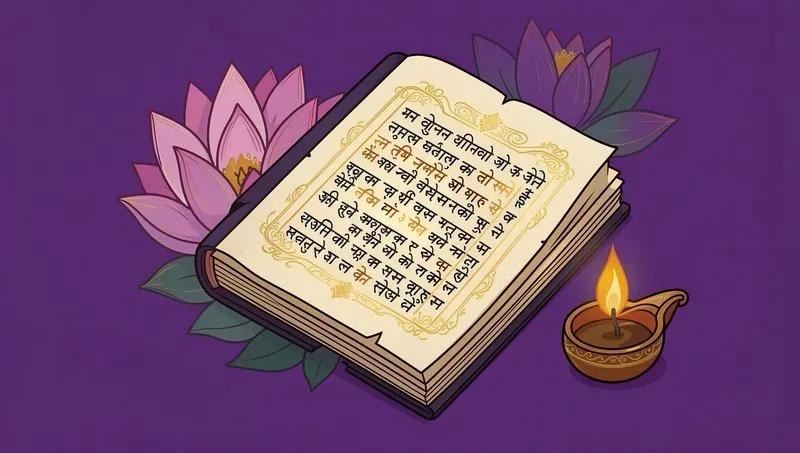
daivī hy eṣā guṇa-mayī mama māyā duratyayā mām eva ye prapadyante māyam etāṃ taranti te
— Bhagavad-gītā 7.14
Translation: This divine energy of Mine, consisting of the three modes of material nature, is difficult to overcome. But those who have surrendered unto Me can easily cross beyond it.
Purport: Kṛṣṇa uses two words that must be read together: ‘duratyayā’ (difficult to overcome) and ‘easily’ (for those who surrender). This is not a contradiction. It is the precise description of the only path that works. Human effort — willpower, philosophy, austerity, renunciation — can temporarily suppress the influence of māyā. Surrender to Kṛṣṇa dissolves it. Not by force but by change of relationship. Māyā has no power over those who belong to Kṛṣṇa.
Why Māyā Cannot Be Overcome by Intelligence Alone
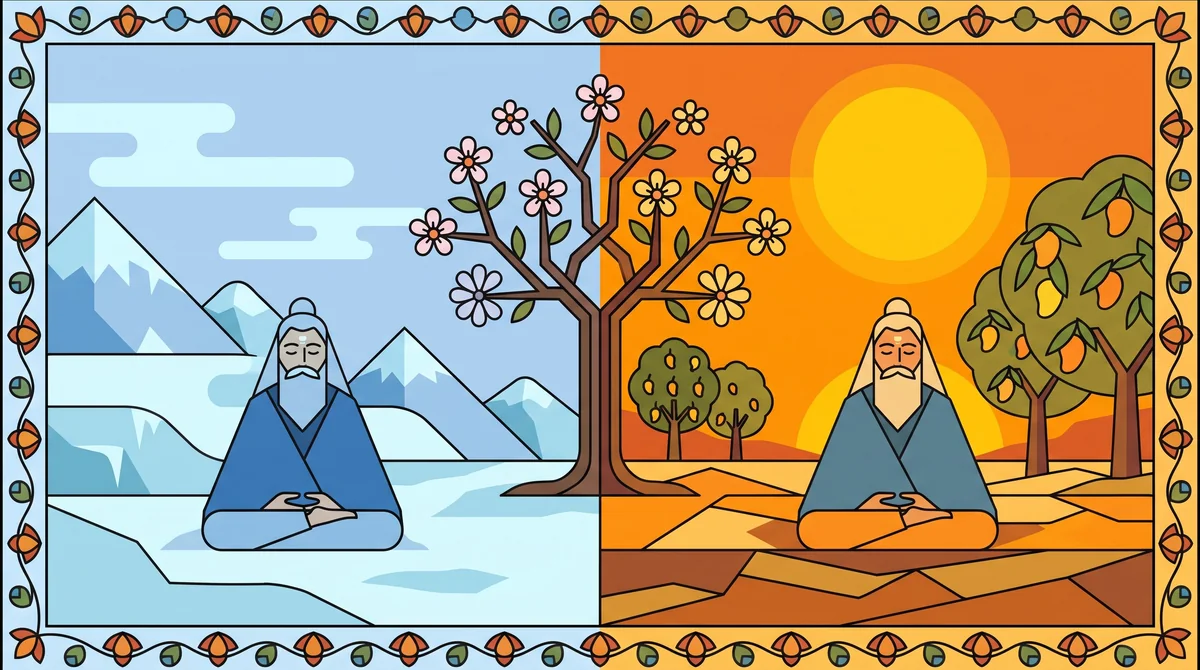
The three modes of material nature — goodness (sattva), passion (rajas), and ignorance (tamas) — are the instruments through which māyā operates. Every thought, every desire, every action of the conditioned soul is coloured by these modes. In the mode of ignorance, one sleeps when one should be awake, eats without discrimination, and acts without understanding consequence. In the mode of passion, one works feverishly, driven by desire, exhausted by ambition, building structures that cannot hold their own weight. In the mode of goodness, one is calmer, more reflective, but still within the material domain — still identifying with the subtle body rather than the ātmā. Even in the highest mode, Prabhupāda said, you are still in māyā. The soul’s liberation requires transcendence of all three modes through surrender to Kṛṣṇa, who alone stands beyond the modes because He is their source.
“Māyā does not trap you with ugliness. It traps you with beauty. With love that almost satisfies. With success that almost fulfils. ‘Almost’ is its signature.”
The Three Modes of Material Nature and Their Grip on Consciousness
The modern intellectual tradition has no satisfactory answer to the problem māyā describes. Psychology calls it hedonic adaptation. Economics calls it diminishing marginal utility. Philosophy calls it the problem of desire. The Vedic tradition calls it by its name and provides the solution. The reason material happiness cannot satisfy the soul is not that the soul wants more of the same thing. It is that the soul wants a categorically different thing altogether. It wants its relationship with Kṛṣṇa restored. No material object, relationship, achievement, or experience can substitute for this, because the soul itself is spiritual. Giving a spiritual being material happiness is like giving a drowning man gold. The gold is real. The drowning is also real. The gold does not address the drowning.
sarva-dharmān parityajya mām ekaṃ śaraṇaṃ vraja ahaṃ tvāṃ sarva-pāpebhyo mokṣayiṣyāmi mā śucanḥ
— Bhagavad-gītā 18.66
Translation: Abandon all varieties of religion and just surrender unto Me. I shall deliver you from all sinful reactions. Do not fear.
Purport: This is the final instruction of the Bhagavad-gītā — not one of many options, but the culminating conclusion. All other paths, all other forms of dharma, all other practices, are stepping stones toward this single point: surrender. Prabhupāda taught that this verse is the most important in the entire Bhagavad-gītā. It is also the most misunderstood. ‘Abandon all dharmas’ does not mean abandon duty. It means abandon the idea that any duty, any practice, any achievement of yours can save you. Only Kṛṣṇa can save you. And He promises to do so. Mā śucanḥ — do not fear.
The Only Way Beyond Māyā: Surrender to Kṛṣṇa
The path beyond māyā is not the path of struggle. Prabhupāda was emphatic about this. He did not teach that you must fight māyā or defeat your senses through force of will. He taught that you must change your allegiance. The soldier who changes sides does not fight the old army — he simply stops serving it. When the soul turns toward Kṛṣṇa through sincere bhakti — chanting, hearing, remembering, serving — māyā’s grip weakens naturally, because māyā is Kṛṣṇa’s energy and it does not obstruct those who are going toward Kṛṣṇa. This is the mercy that is available to every living being in every condition. There is no qualification required. There is no caste or education or austerity that must precede it. The only qualification is sincerity. Kṛṣṇa accepts the sincere surrender of any soul in any condition. The Bhagavad-gītā 18.66 is addressed to all of us.
Do not wait until you have conquered your desires to begin. Do not wait until you understand the philosophy fully. Do not wait until the right moment arrives. Māyā’s most effective tool is postponement. The soul that says ‘I will surrender tomorrow’ has already been captured. Begin now, with whatever sincerity you have. Chant the Hare Kṛṣṇa mahā-mantra. Read the Bhagavad-gītā As It Is. Associate with those who are practising bhakti. Each of these is a step toward the light. Each step weakens māyā’s claim on your consciousness. The promise is Kṛṣṇa’s own: those who surrender to Him cross beyond māyā easily. Take Him at His word.